20-January-2026
NEET Biology Important Diagrams
The most scoring section of NEET is biology and when compared with all other preparation strategies the greatest payoff with the lowest risk is the mastering of diagrams. The backbone of various direct and indirect questions is based on Biology important diagrams. The Biology section of NEET includes 90 questions from both Zoology and Botany, a total of 360 marks.
This is a detailed guide by CLC Sikar that includes a list of biology diagrams, diagrams that are important in each chapter, trends in the previous years, and how to prepare effectively to score 340 or above in Biology with the confidence of achieving good marks in this subject. Some important diagrams for NEET include those of the human heart, respiratory system, digestive system, plant anatomy, and many more. Candidates can refer to the article below to learn more about the important NEET Biology diagrams.
📋 Table of Contents
▲Why Biology Diagrams Are Important in NEET
Most of the questions in the biology diagram are copied directly for NCERT illustrations. The statement of the question itself is in most cases a diagram or a referred figure. Analysis of biology diagrams presented in past year NEET papers over the years indicates that almost 12-15 questions are asked per year that are directly diagram-oriented with many other questions demanding diagram understanding.
Since NEET is an NCERT-focused test, critical diagrams in biology as per NCERT should be regarded not as an after-study guide but as the main course of syllabus.
Click Here to Get Free Study Material for NEET
Why Diagrams Matter in NEET Biology
- Visual recall is faster during exams, especially under pressure.
- NEET often includes direct image-based MCQs.
- Diagrams test your ability to understand and apply structure-based knowledge.
- They are a part of NCERT and carry a high probability of repetition.
- Diagram-based questions typically have higher accuracy rates when compared to concept-heavy theoretical questions.
Let’s explore the key diagrams by chapter, explain why they’re important, and how you can best prepare them to boost your NEET Biology score.
NEET Preparation Important Links:
- NEET Syllabus
- High Weightage Chapters NEET 2026
- Most Repeated Questions in NEET
- Best Reference Book for NEET
- How to Prepare for NEET from Zero Level
Biology Diagrams List: What Every NEET Aspirant Must Prepare
A complete NEET biology diagrams list includes diagrams from both Class 11 and Class 12 Biology NCERT textbooks. These diagrams are repeatedly used in the exam and are considered high weightage biology diagrams.
Class 11 Biology Important Diagrams for NEET
Structural Organisation in Animals and Plants
This group makes a large contribution of valuable biology diagrams to NEET annually. The common questions are asked on the basis of anatomical structures.
Key diagrams:
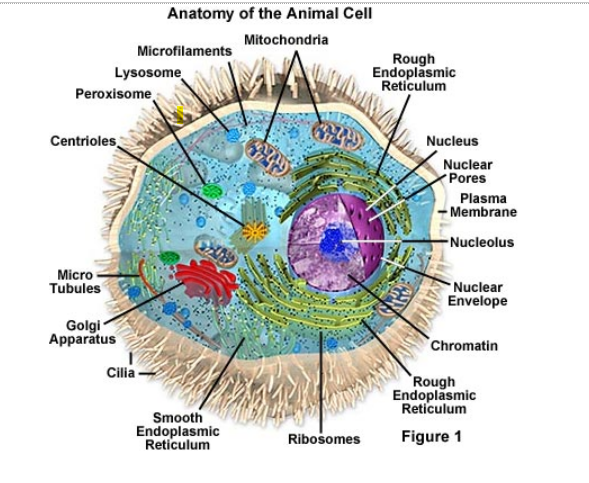
1. Animal cell (fully labeled)
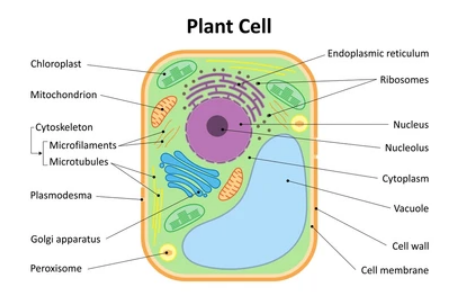
2. Plant cell (fully labeled)
3. Animal Tissues and Plant tissues
4. Dicot root (T.S.) and monocot root (T.S.)
5. Dicot stem (T.S.) and monocot stem (T.S.)
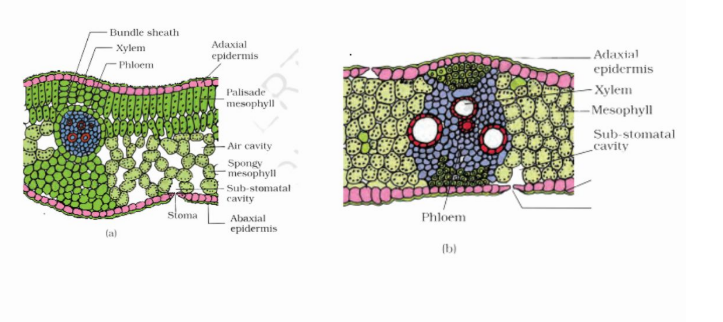
6. Leaf anatomy (dicot and monocot)
7. Types of connecting tissue
8. Diagram of different epithelial tissues
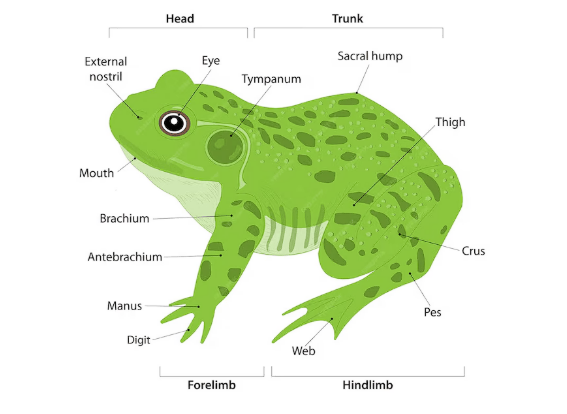
9. External features of frog
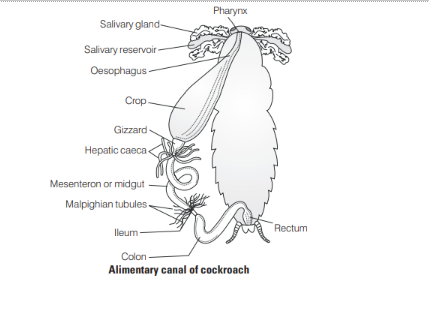
10. Alimentary canal of cockroach
11. External feature of cockroach
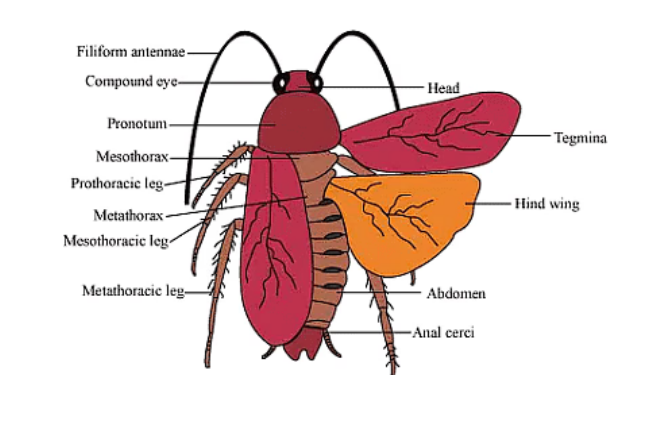
NEET frequently asks identification-based and structure-function questions from these visuals. These are some of the most recurring and important NEET biology diagrams.
Click Here to Get NEET Previous Year Question Paper with Solution
Cell Structure and Function
Understanding cellular components is essential for solving conceptual and diagram-based questions.
Important diagrams:
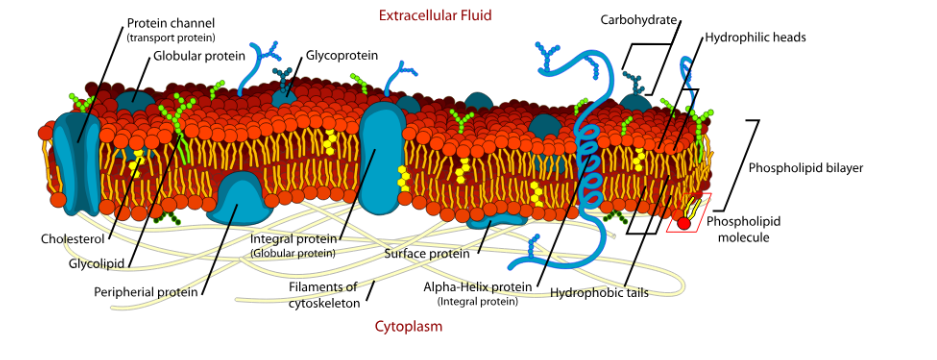
1. Plasma membrane (fluid mosaic model)
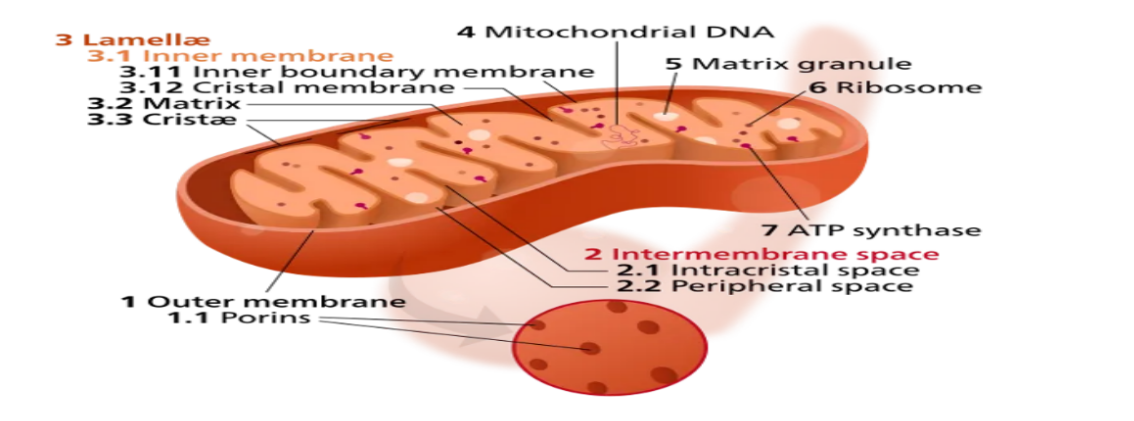
2. Mitochondria
3. Chloroplast
4. Endoplasmic reticulum
5. Golgi apparatus
6. Ribosome
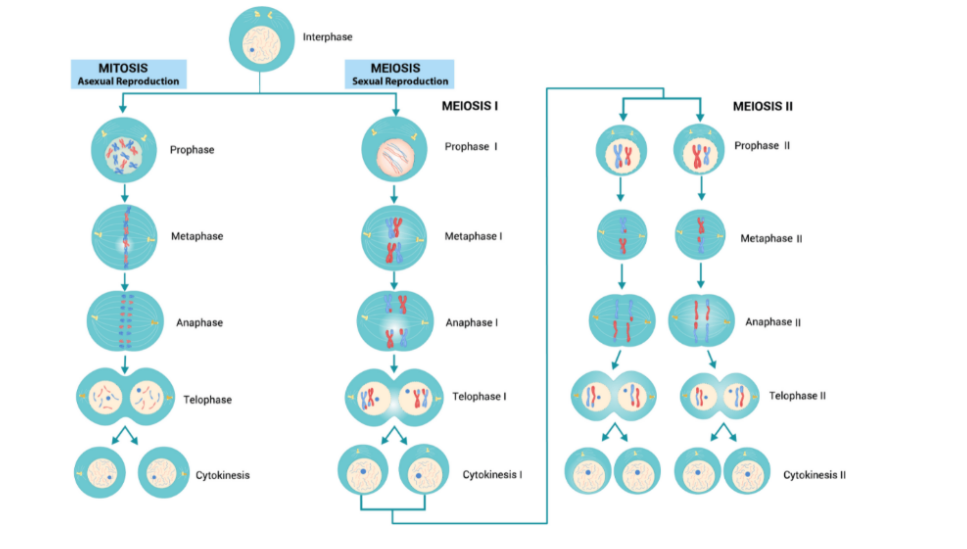
7. Cell cycle (mitosis and meiosis)
8. Nucleus
9. Plastids
Plant Physiology Diagrams
Plant physiological diagrams can be used to test mechanism based knowledge.
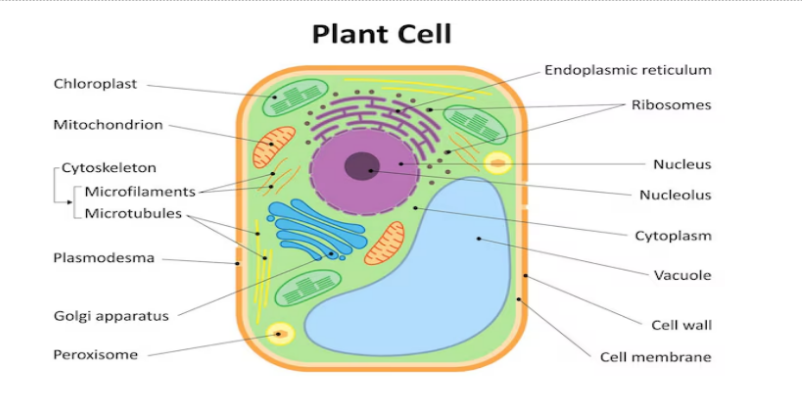
1. Plant cell diagram
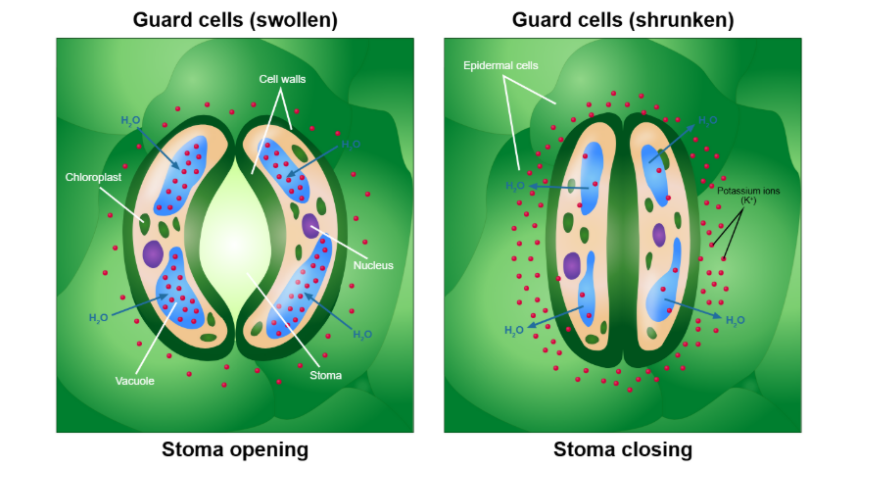
2. Opening and closing of stomata
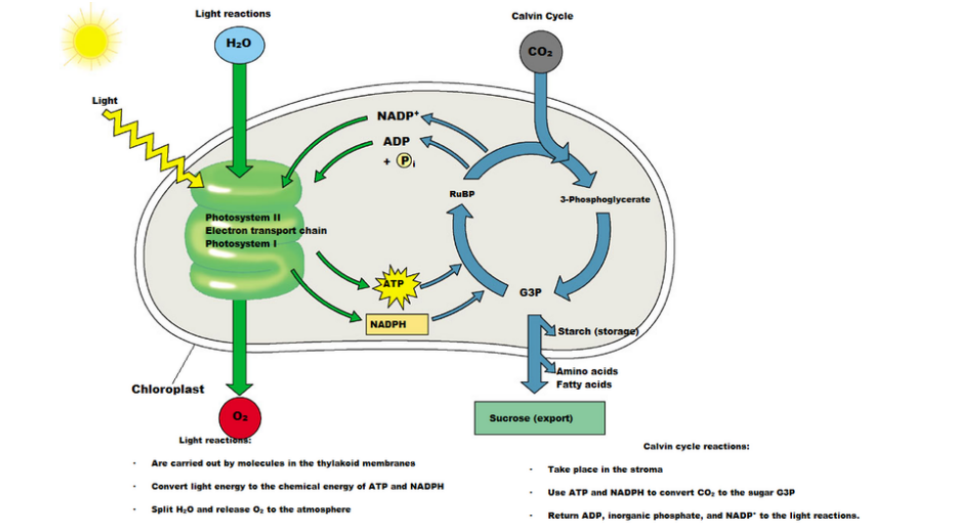
3. Photosynthesis (light reaction and Calvin cycle)
4. Transpiration pull
5. Phloem transport
6. Mineral absorption pathways
7. Chloropast structure
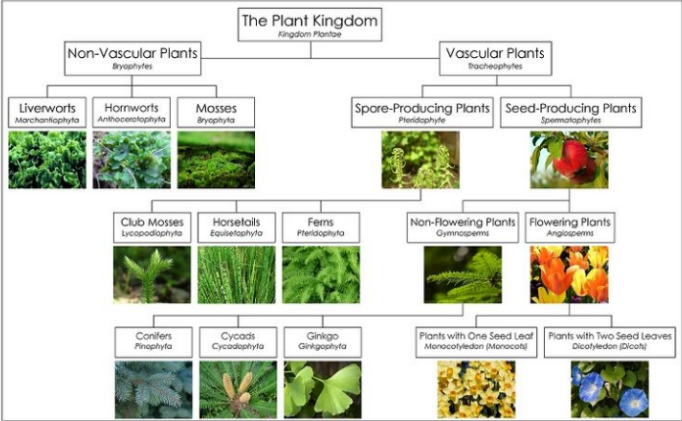
8. Plant kingdom
9. Morphology of Flowering Plants
10. Diagrammatic Representation of Cilia and Flagella
11. Bryophytes
12. Pteridophytes
Human Physiology Diagrams
This is one of the highest scoring chapters in biology and contains several NEET UG biology diagrams asked every year.
Key diagrams:
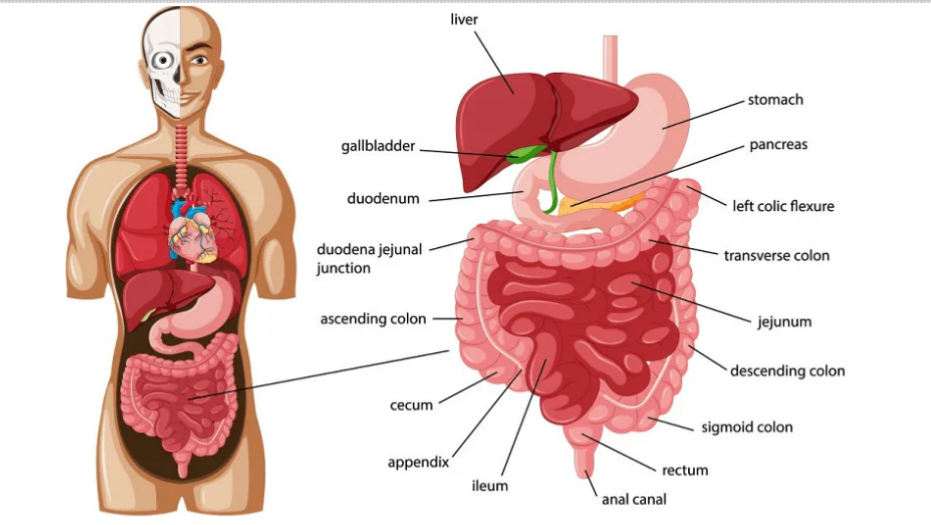
1. Human digestive system
2. Human respiratory system
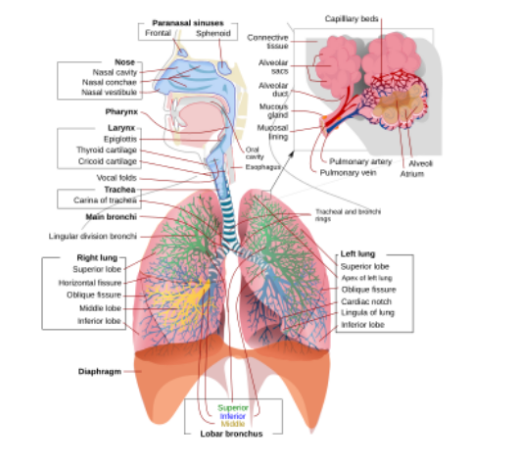
3. Alveolus structure
4. Heart (internal structure)
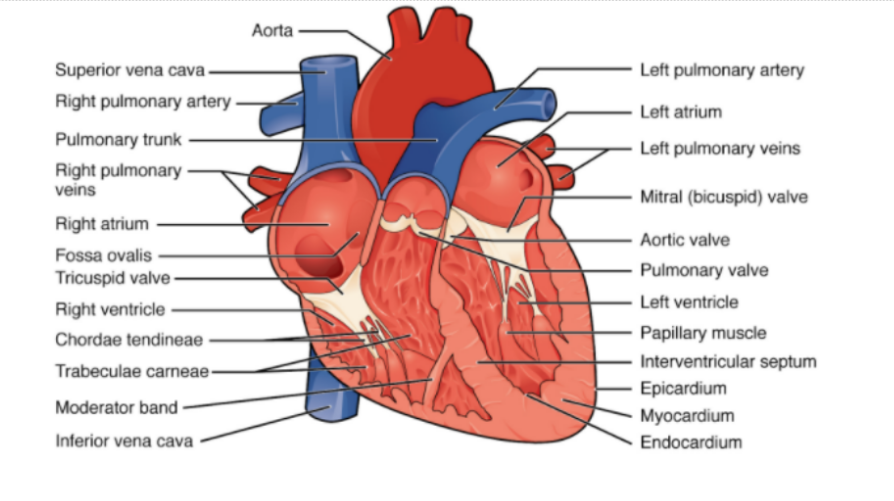
5. Cardiac cycle
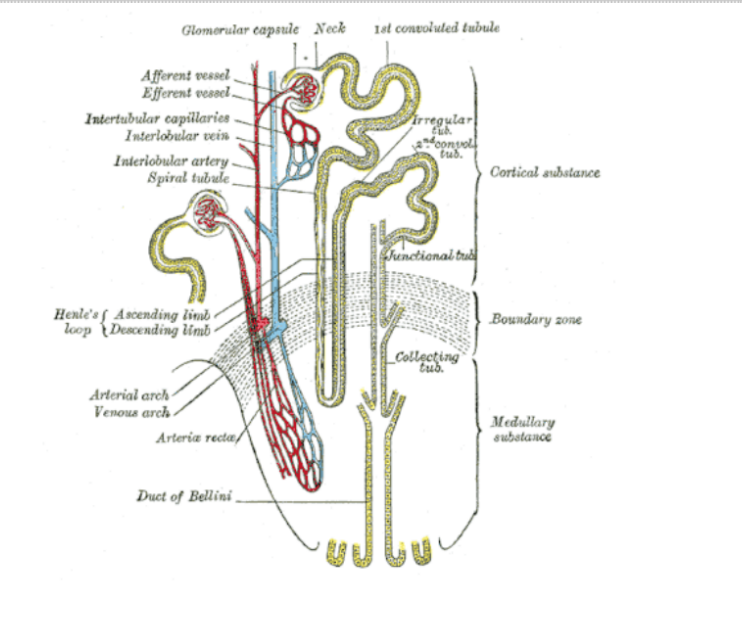
6. Nephron (very high weightage)
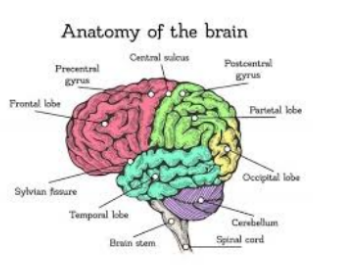
7. Human brain
8. Eye (image formation)
9. Ear (mechanism of hearing)
10. Endocrine feedback mechanisms
Important Diagrams for NEET- Class 12 Biology
Sexual Reproduction in Flowering Plants
This chapter alone contributes multiple diagram-based questions every year.
Important diagrams:
1. L.S. of flower
2. Structure of anther
3. Microsporogenesis
4. Megasporogenesis
5. Embryo sac (7-celled, 8-nucleate)
6. Double fertilization
Human Reproduction
Key diagrams:
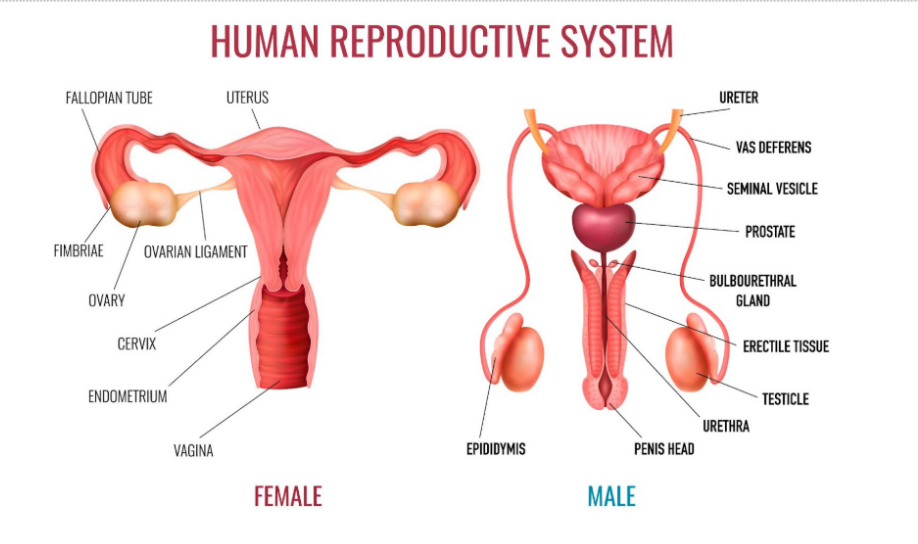
1. Male & female reproductive system
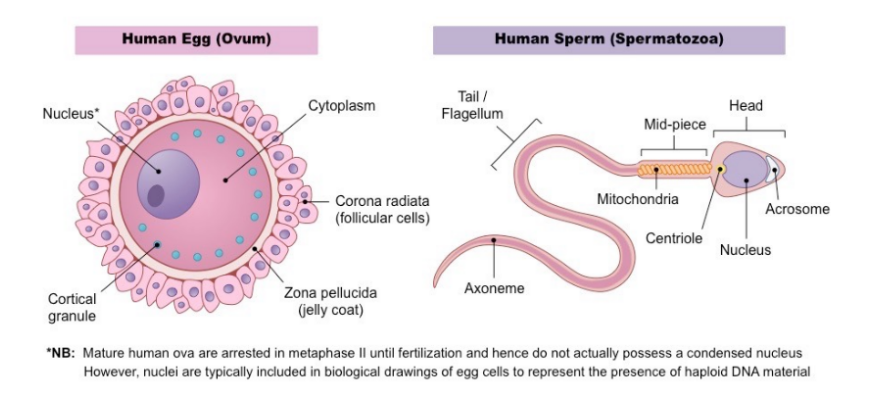
2. Structure of sperm & ovum
3. Spermatogenesis
4. Oogenesis
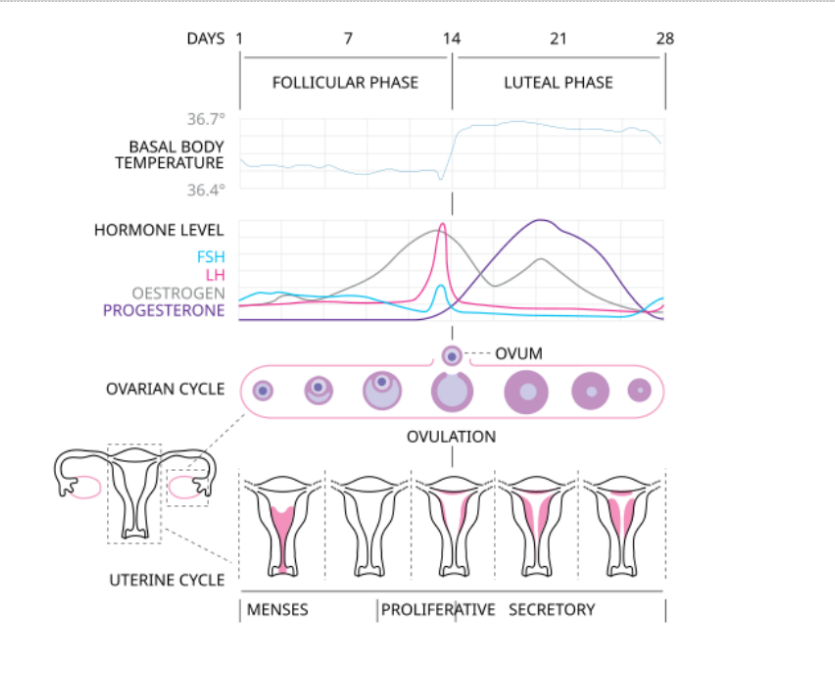
5. Menstrual cycle
6. Placenta
7. Fertilization
8. Sectional view of ovary
9. Male external genitalia Diagram
10. Enlarged view of cervix and vagin
Principles of Inheritance and Variation
Important diagrams:
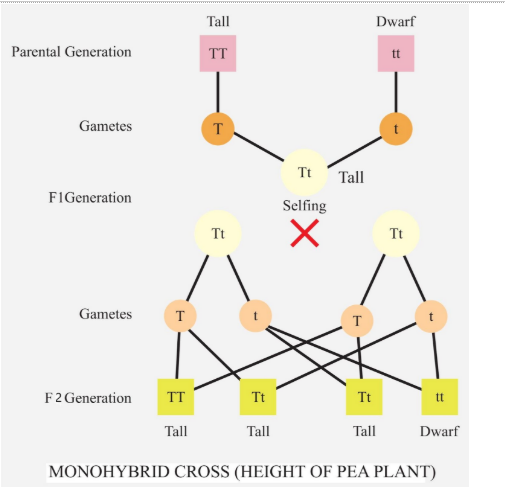
1. Monohybrid cross
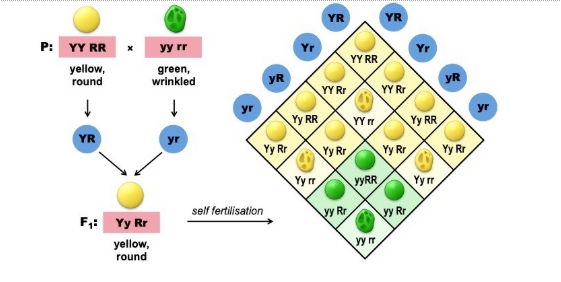
2. Dihybrid cross Pedigree analysis
3. Chromosomal theory of inheritance
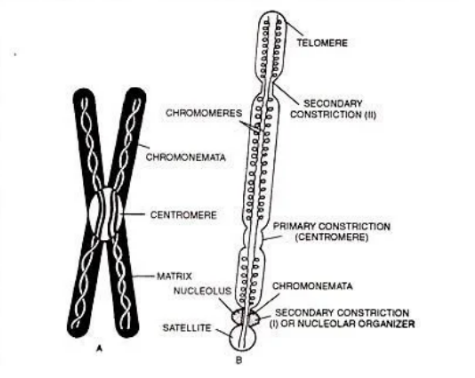
4. Structure of chromosome
Molecular Basis of Inheritance
This chapter contains some of the most repeated diagrams in NEET biology.
Key diagrams:
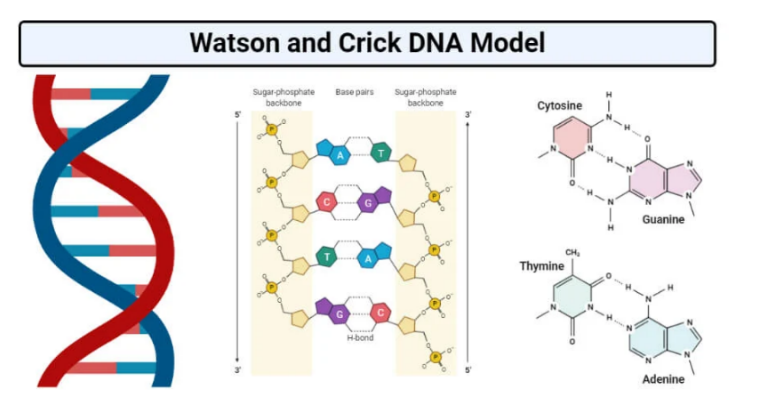
1. DNA double helix (Watson–Crick model
2. DNA replication Transcription
3. Translation
4. Lac operon
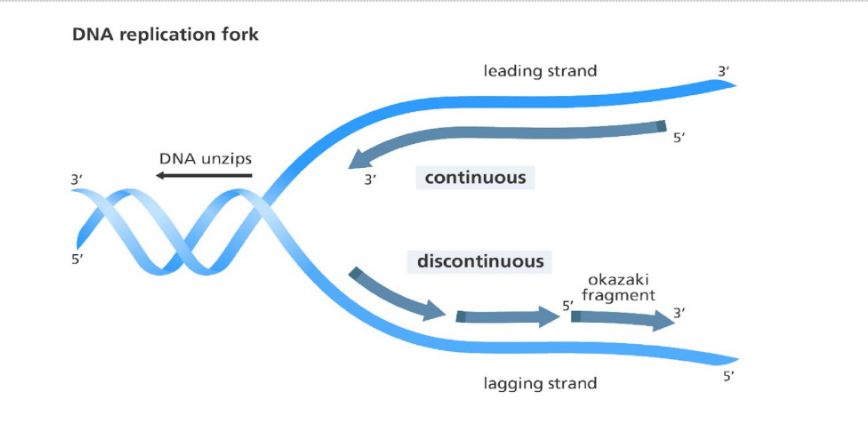
5. Replication fork
6. Molecular Basis of Inheritance
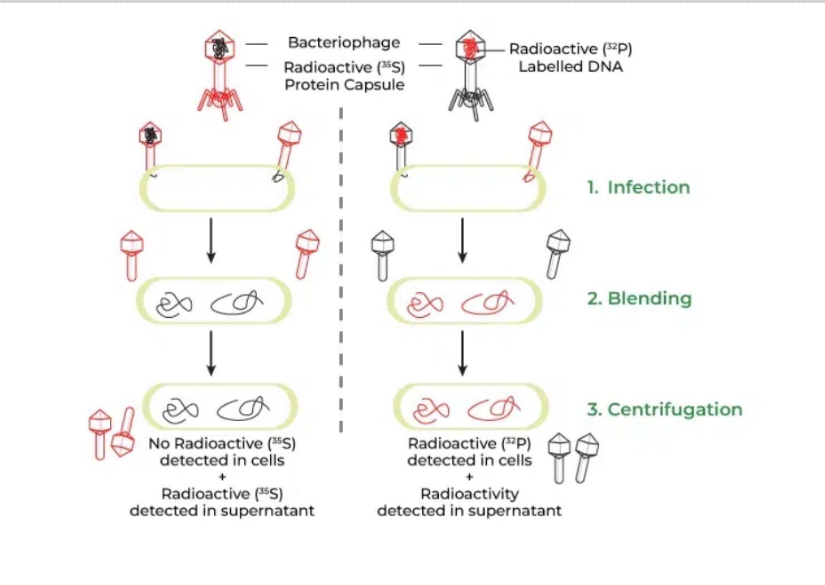
7. Hershey & chase experiment
Biotechnology
Biotechnology diagrams are highly predictable and scoring in NEET .
Important diagrams:
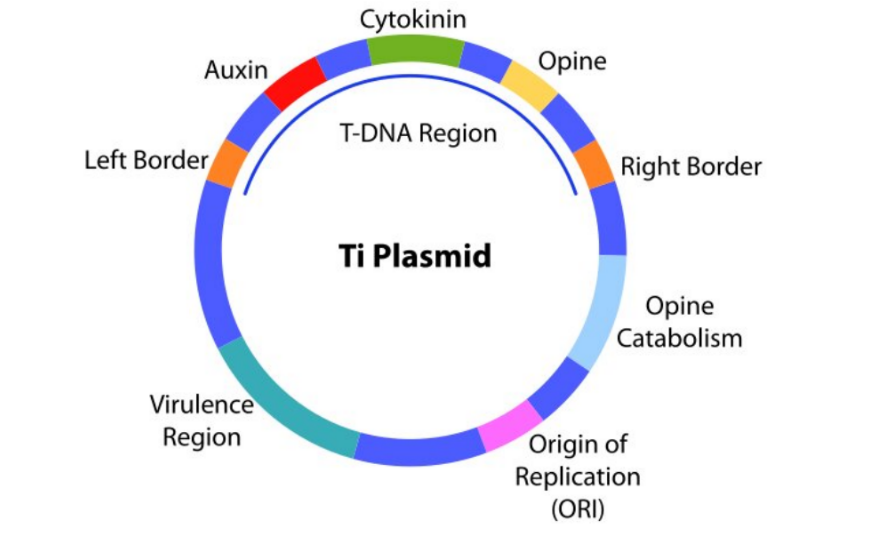
1. Plasmid vector
2. Restriction enzyme action
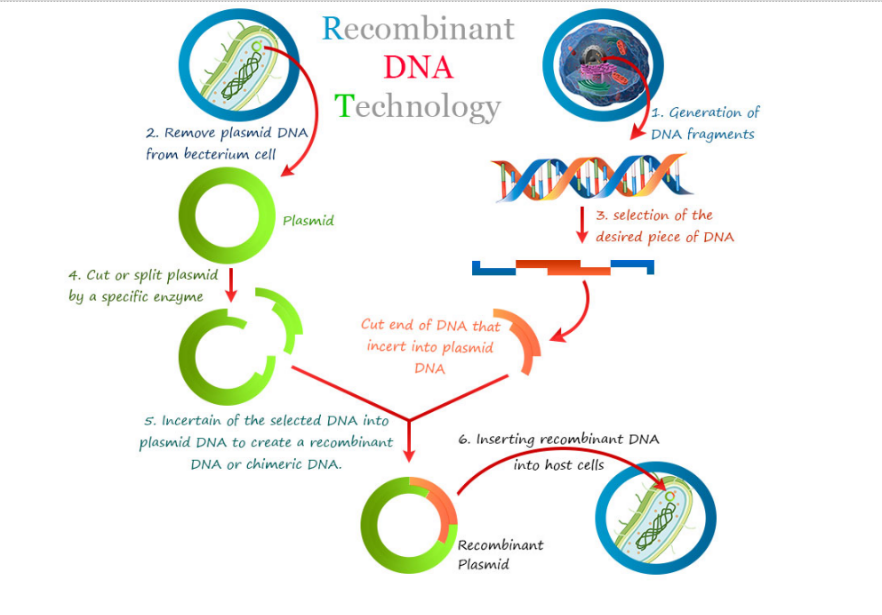
3. Recombinant DNA technology
4. PCR process
5. Bioreactor
Human Health and Disease
Important diagrams:
1. Antibody structure
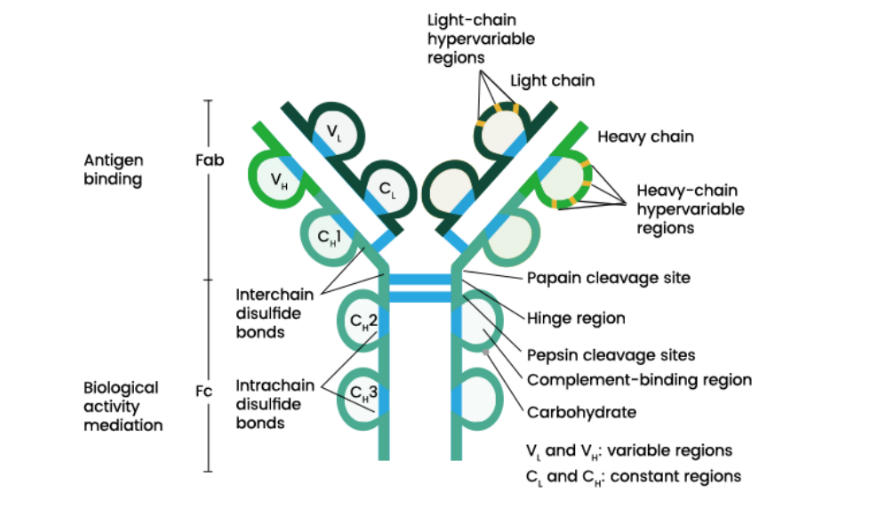
2. Antigen–antibody interaction
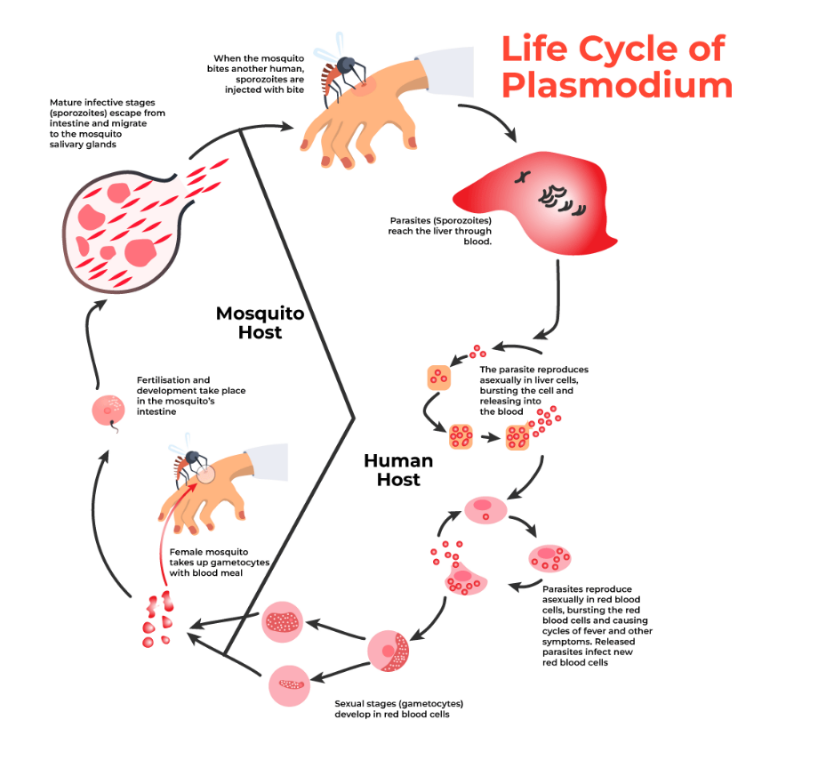
3. Life cycle of Plasmodium
4. HIV structure
Ecology and Environment
These diagrams are ideal for NEET for last minute revision.
Key diagrams:
- Food chain
- Food web
- Ecological pyramid
- Energy flow in ecosystem
- Carbon cycle
- Nitrogen cycle
- Population growth curves
Preparation of Biology Diagrams to Pass the NEET Exam?
To prepare effectively:
- Study only NCERT biology diagrams.
- Practice Labeling diagrams without reading.
- Link diagrams with theory
- Revise chapter-wise diagrams on a daily basis.
- Revise & practice questions from previous exams of NEET.
Frequently Asked Questions
Q: Are NCERT Diagrams Enough for NEET Biology?
Ans. One of the most frequent questions that a student may have is:
Q: Are NCERT diagrams sufficient for NEET biology?
Ans. Yes. NEET strictly follows NCERT. Practically, all biology diagrams of the medical entrance exam are either chosen or modified slightly under NCERT illustrations. It is more important to master NCERT diagrams as opposed to using several guidebooks.
Q: Which biology diagrams are most important for NEET?
Ans. In the case of NEET, the biology diagrams that have the most significance are those of NCERT. The human heart, brain, kidney and nephron, digestive and respiratory systems, male and female reproductive systems, mitosis and meiosis, DNA double helix, replication, transcription and translation, lac operon, chloroplast and mitochondria, photosynthesis and respiration pathways, ecological cycles and flower structure are all high-priority diagrams. These diagrams are common in direct questions and label-based MCQs and therefore mastering NCERT diagrams is a great way of increasing Biology marks.
Q: How many diagrams are asked in NEET biology?
Ans. On average, 10–15 questions are directly diagram-based, while many more require diagram interpretation.
Q: How to prepare biology diagrams for the NEET exam?
Ans. Focus on NCERT biology diagrams for NEET, practice labeling daily, revise chapter-wise, and analyze previous year questions and solve mock test papers daily.
Q: Is Biology tough for NEET?
Ans. Biology can be challenging for NEET due to its vast syllabus, but with proper strategies and practice, it can be manageable. Focus on understanding concepts rather than rote memorization.
CLC Editorial Team
Our Latest Blog

NEET UG 2026 Stray Vacancy Rou...
Missed out on an MBBS or BDS seat in the earlier rRead More

NEET UG Counselling 2026 Round...
For students waiting for the third round of NEET URead More
NEET UG 2026 Stray Vacancy Rou...
Missed out on an MBBS or BDS seat in the earlier rRead More